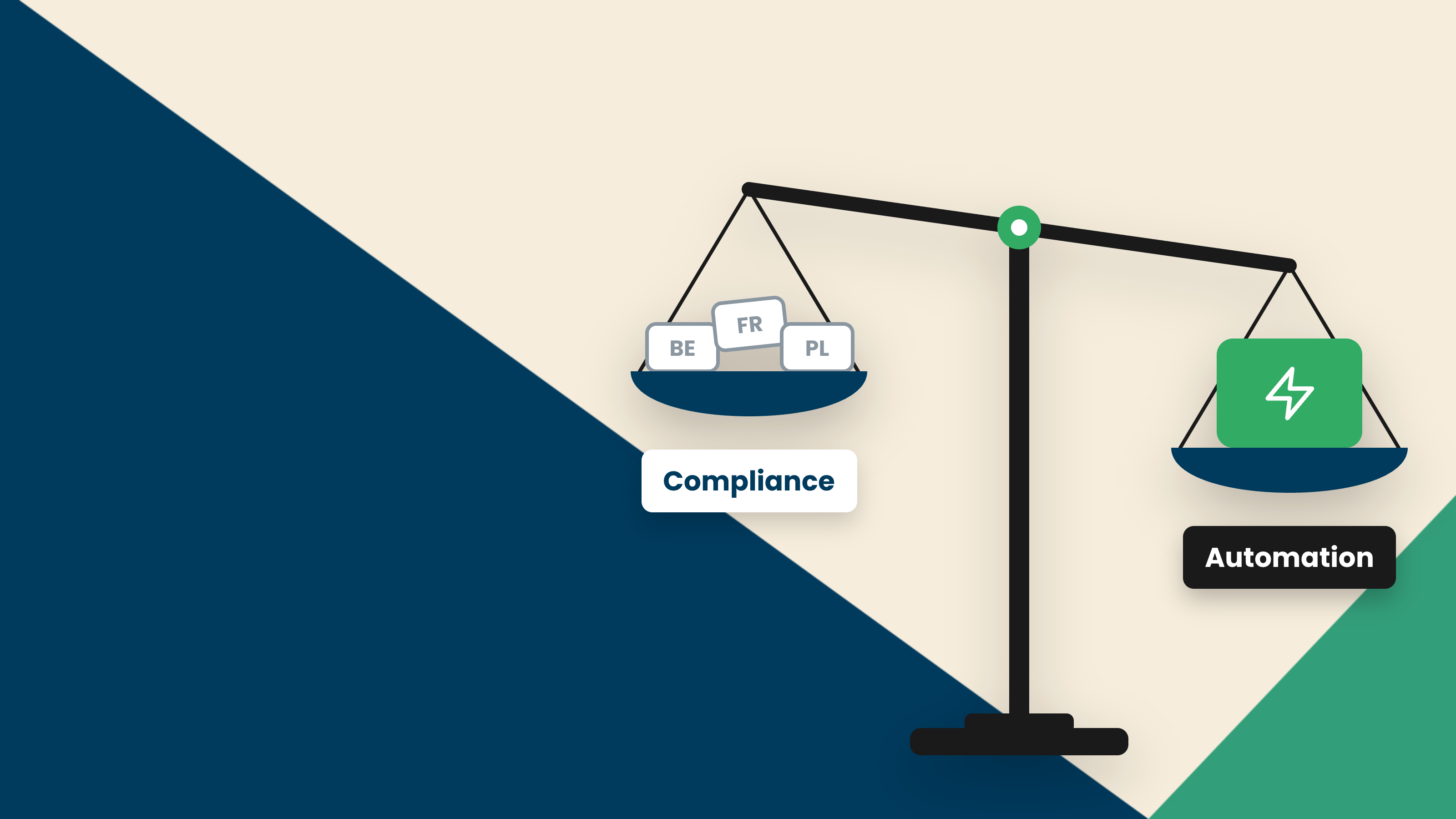
Since the arrival of e-invoicing mandates, a vendor's case for leadership could be made in a single sentence: name the countries you support and count them. Country coverage read like a scoreboard. More jurisdictions tracked, more mandates supported, more models covered meant a bigger number to put on a slide labelled “trusted in over 60 markets.” Buyers, particularly the tax and compliance stakeholders who signed the contract, evaluated vendors the way a border agent checks a passport: does the stamp exist, yes or no.
The IDC MarketScape: Worldwide E-Invoicing Compliance Solutions 2026 is the clearest signal yet that the scoreboard has stopped deciding the outcome on its own. IDC named Thomson Reuters, Basware and Comarch as the top 3 leaders in the category, and what separates them from the rest of the field is not a longer country list. It's the value they add to the invoice process and their ability to handle every invoice a business sends or receives. That's what makes them strategic providers of choice. Not merely compliant ones.
That finding is worth sitting with, because it is a genuinely uncomfortable one for a category that has spent a decade competing on regulatory coverage. Compliance depth is not obsolete. It is table stakes. And table stakes, by definition, do not win the hand.
Nobody is arguing that jurisdictional coverage stops mattering. A provider that cannot generate a valid Peppol document for a customer in Belgium, or isn’t a certified ‘Platformes Agreees’ in France, is not in the conversation at all. That work is real, it is hard-won, and it is the reason the category exists in its current form. But hard-won and differentiating are no longer the same thing. Coverage stopped being the big differentiator now most vendors have built, bought, or partnered their way to broad jurisdictional coverage. 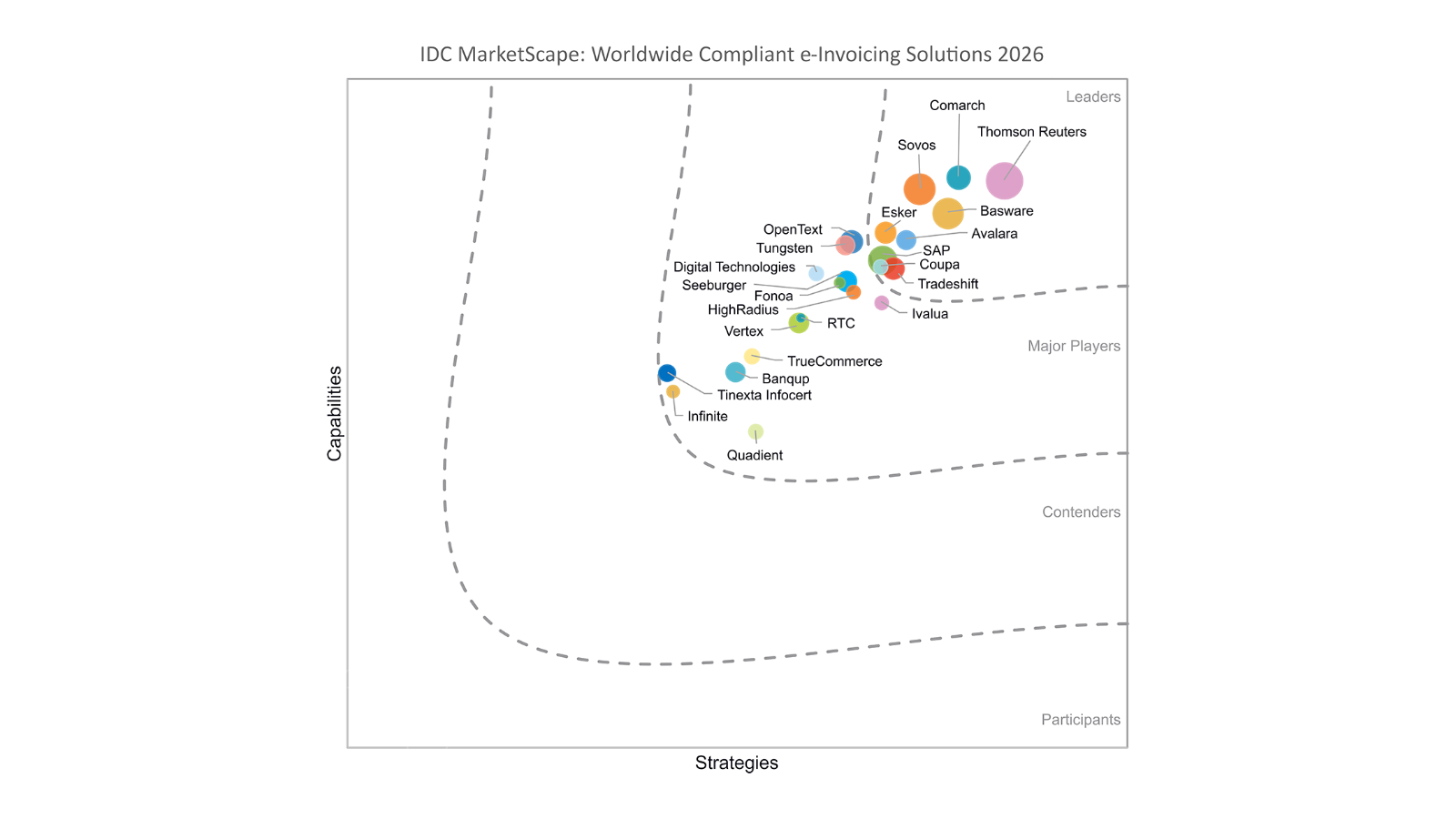
What actually earns the word automation
The real gap is automation, a word this market has stretched until it means almost nothing. It doesn't mean moving an invoice from a supplier's system to a buyer's system faster. Routing is solved. Routing was never the hard part.
Automation means validating an invoice. Enriching it with the coding and context a person would otherwise add by hand. Augmenting it into something cleaner and more useful. It means doing that whether the invoice shows up as a clean structured e-invoice or, far more often, as a PDF, still the format most invoices travel in.
Move data without adding value and you haven't automated the process. You've built a faster fax machine.
The mistake many providers have made is getting too focused on supporting as many mandates as possible, at the expense of the features, functionality, and value their solution actually delivers. The result is a commoditized product that offers no discernible edge over simply being compliant in a list of countries.
The buyer changed, and most pitches didn't
This gets worse the further you look at who's in the driving seat on e-invoicing purchases. As companies take a strategic approach to resolving mandates rather than reacting to them one country at a time, more and more, that seat belongs to Finance.
Finance doesn't ask whether an invoice is legally valid in Poland. Finance asks whether it took twenty minutes to process that invoice. Whether that's true for the domestic supplier invoice, the freight bill, and the PDF from a vendor who has never heard of Peppol. Not just the invoices a mandate happens to cover.
That's the trap hiding inside most pitches. A country-led compliance solution solves for the invoices governments regulate and stays silent on everything else Finance actually cares about. A Finance buyer isn't shopping for the cheapest way to move an invoice from A to B inside one jurisdiction. They're shopping for one solution that handles every invoice. Regulated or not. Foreign or domestic. Structured or unstructured.
This leaves some tax-led solutions in an uncomfortable spot. A provider whose entire pitch has been regulatory coverage is, by construction, optimized to win a specific kind of deal: reactive, tactical, mandate-driven, and priced like a commoditised compliance cost rather than a strategic investment. That is not a small market, but it is a shrinking share of a bigger opportunity, and it comes with a mandate calendar problem built in.
Final thoughts
IDC's report will mostly get read as a leaderboard: who moved up, who moved down. Fine, for now. The more useful read is where the category's definition of "leader" is heading, and it isn't heading back toward country coverage. The vendors at the top didn't get there by being marginally better at compliance. They got there by treating compliance as the entry fee, not the finish line.
Closing the gap doesn't mean building full Accounts Payable (AP) and Order-to-Cash (OTC) automation software. It means delivering value on an otherwise commoditised process. Creating operational efficiency and usability gains. Going beyond compliance of mandated invoice flows and supporting every invoice. Providers need to shift focus away from winning on coverage. Toward winning on the features and value Finance actually cares about.
If you're weighing what to build against what to partner for: Docupath works with e-invoicing and compliance platforms on broadening their offering by accurately capturing invoices and other trading documents. Under their own brand and without the multi-year build.